Jewelry Metals Compared: An Honest Guide from Our Workbench
Let’s talk about what really matters in jewelry. We see it every day at the SYMARA studio: the right metal choice leads to a piece you’ll cherish forever, while the wrong one can cause endless frustration. It’s not about a “best” metal, but the right metal for you.
This guide is the candid conversation we have with every client at our bench. We’ll strip away the marketing fluff and compare jewelry metals honestly—platinum, gold, silver, and modern alloys—focusing on what truly impacts your daily life: durability, comfort, care, and value. Our goal? To give you the clarity to choose with confidence.
In This Article:
- The Precious Foundation: Platinum & Gold
- The Accessible & The Modern: Silver & Purpose-Built Metals
- Your Metal Quick-Reference Guide
- Matching Metal to Your Life & Your Gemstone
- Your Decision Checklist
The Precious Foundation: Platinum & Gold
These are the timeless classics, each with a distinct personality forged in our workshop experience.
Platinum: The Heirloom Guardian
When you hold a piece of platinum, you feel its quiet authority. It’s incredibly dense, which makes it the metal we trust most for securing priceless gemstones—prongs simply don’t wear down. It’s naturally white and hypoallergenic, so it needs no plating.
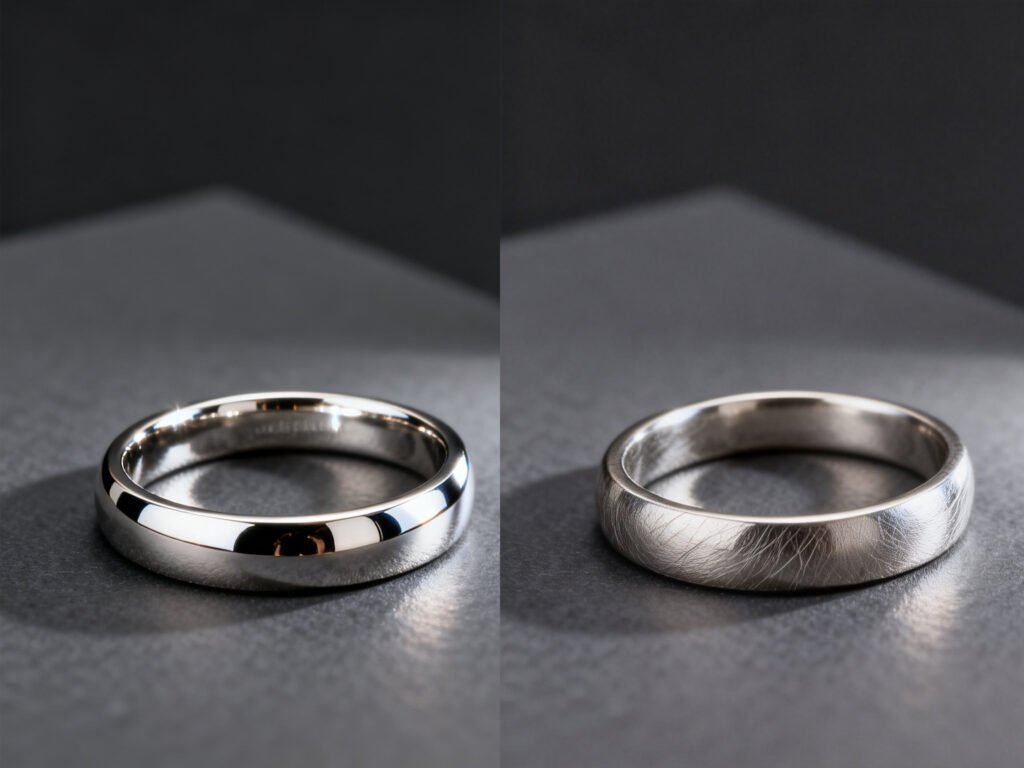
· The Reality of Wear & Value: It develops a soft patina—a layer of fine, surface scratches over time. Many clients love this; it adds a warm, personal story, like a well-worn leather belt. Beyond feel, platinum is a premier precious metal. Its density and purity translate to significant intrinsic value and excellent long-term durability, making it a true heirloom investment. A simple polish in our studio can always restore its high shine.
· Our Verdict: It’s the ultimate “buy it once” choice for a piece you’ll wear through everything, like an engagement ring. You’re investing in permanence and legacy.
Gold: The Art of the Alloy
Pure gold is too soft, so we alloy it. The karat (K) tells you the percentage of pure gold. The rest determines color, strength, and value.
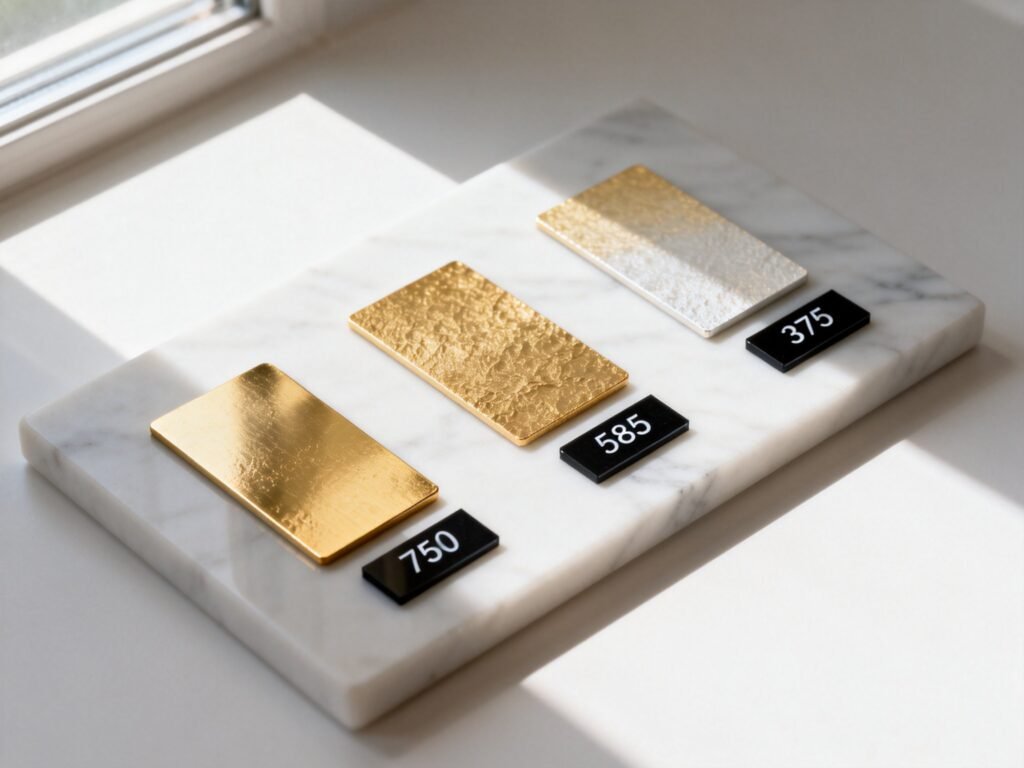
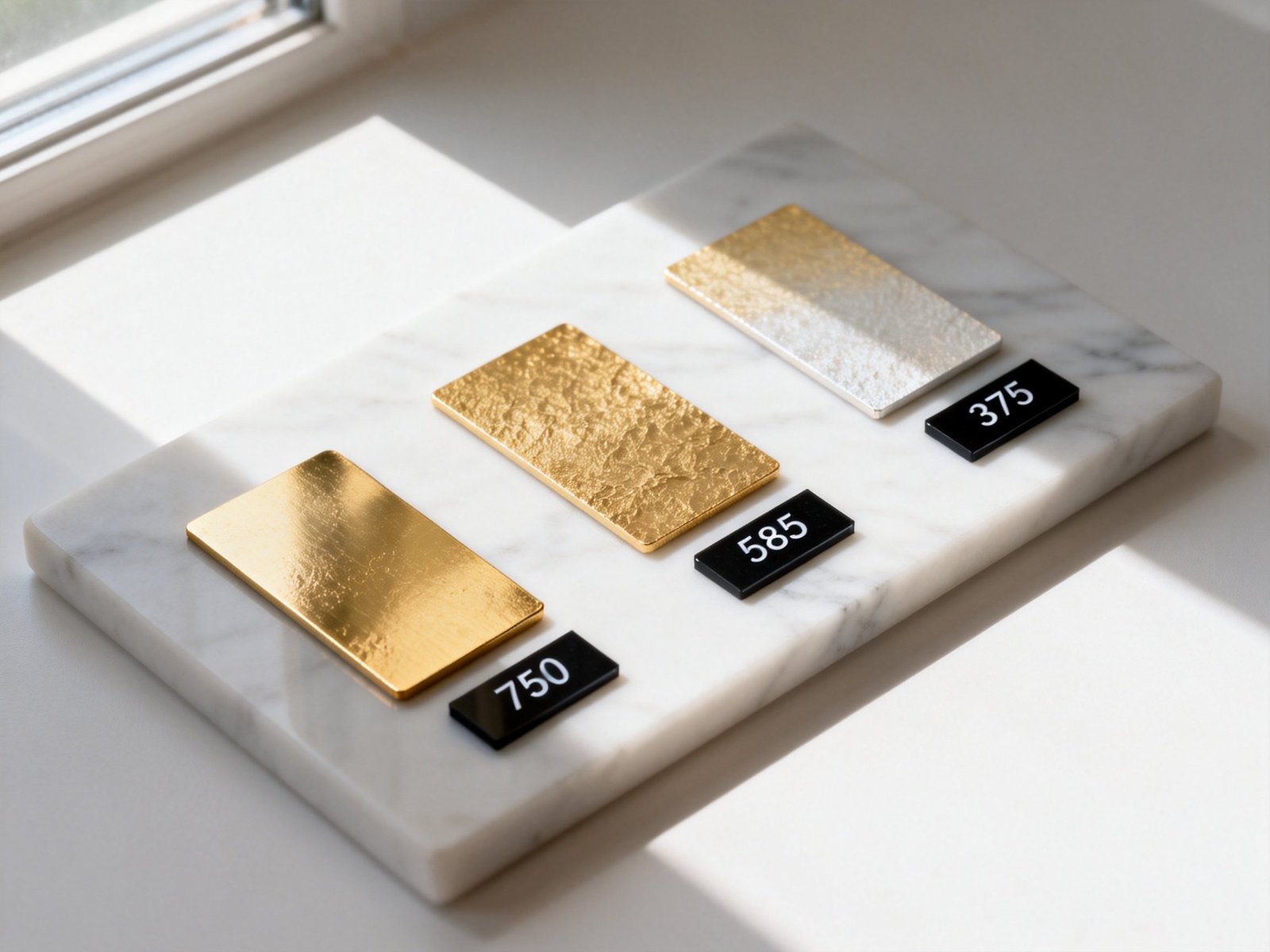
· 18K Gold (750): The Luxury Feel. With 75% pure gold, its color is rich and warm. We love it for intricate, special-occasion pieces where that deep luster is key. It has high intrinsic value due to its gold content but is softer and will show fine scratches more readily.
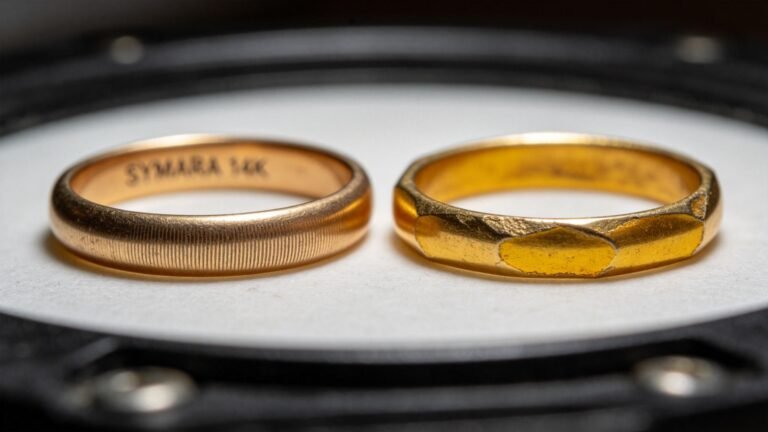
· 14K Gold (585): The Everyday Resilient. At 58.5% pure gold, the higher alloy content makes it significantly harder and more affordable. For a ring you’ll never take off, this is our steadfast recommendation. It offers the perfect balance of warm gold color, superior durability for daily life, and great value.
· The Color Truth: White gold gets its bright white finish from a rhodium plating, which will wear off with daily wear, revealing a warm undertone. This isn’t a flaw—it’s normal. We see re-plating as a simple service. Rose gold gets its blush from copper, which actually makes the alloy stronger and its color wonderfully stable.
The Accessible & The Modern: Silver & Purpose-Built Metals
Sterling Silver (925): The Democratic Canvas
Silver is honest, workable, and alive. It tarnishes when exposed to air—this isn’t a flaw, but a property. A quick polish with a dedicated cloth brings back its brilliant shine. We insist on solid sterling silver for our designs. It’s perfect for expressive, trend-forward styles where you want impact without a major investment.

Surgical Steel & Titanium: The Modern Essentials
Born from medical technology, these are for a “wear it and forget it” life.
· Surgical Stainless Steel (316L): This is the uncomplicated hero. It’s hypoallergenic, corrosion-proof, and virtually indestructible. It’s the perfect “white t-shirt” metal for minimalist chains or bold cuffs.
· Titanium: Remarkably lightweight yet incredibly strong, with a cool, dark grey hue. It’s exceptionally comfortable for large statement rings or men’s bands.
· Crucial Studio Note: These metals cannot be resized with traditional tools. Getting the perfect fit from the start is absolutely essential. Their value is in their performance and craftsmanship, not in precious metal content.
Your Metal Quick-Reference Guide
To help you compare at a glance, here’s our breakdown of six core metals. We suggest reading based on your top priority.

If You Value Most: Classic Worth & Legacy
· Platinum
· Key Traits: Naturally white, substantial weight, inert.
· Durability: Extremely wear-resistant, develops a patina.
· Allergy Risk: Virtually none.
· Care: Occasional professional polish.
· Price Point: $$$$
· Best For: Engagement rings, lifetime wedding bands, heirlooms.
· 18K Gold (750)
· Key Traits: Rich, warm color, high-value feel.
· Durability: Softer, shows fine scratches more easily.
· Allergy Risk: Very low (must be nickel-free alloy).
· Care: Avoid knocks, re-rhodium white gold as needed.
· Best For: Special occasion pieces, intricate designs.
If You Value Most: Daily Durability & Value
· 14K Gold (585)
· Key Traits: Warm hue, high hardness, best all-rounder.
· Durability: Very durable, highly resistant to dents.
· Allergy Risk: Low (must be nickel-free alloy).
· Care: Simple cleaning, very low-maintenance.
· Best For: Minimalist men’s bands, sport jewelry, large rings.
If You Value Most: Fashion & Affordability
· Sterling Silver (925)
· Key Traits: Bright white shine, highly malleable, versatile.
· Durability: Softer, scratches easily, will tarnish.
· Allergy Risk: Low.
· Care: Needs regular polishing with a dedicated cloth.
· Price Point: $
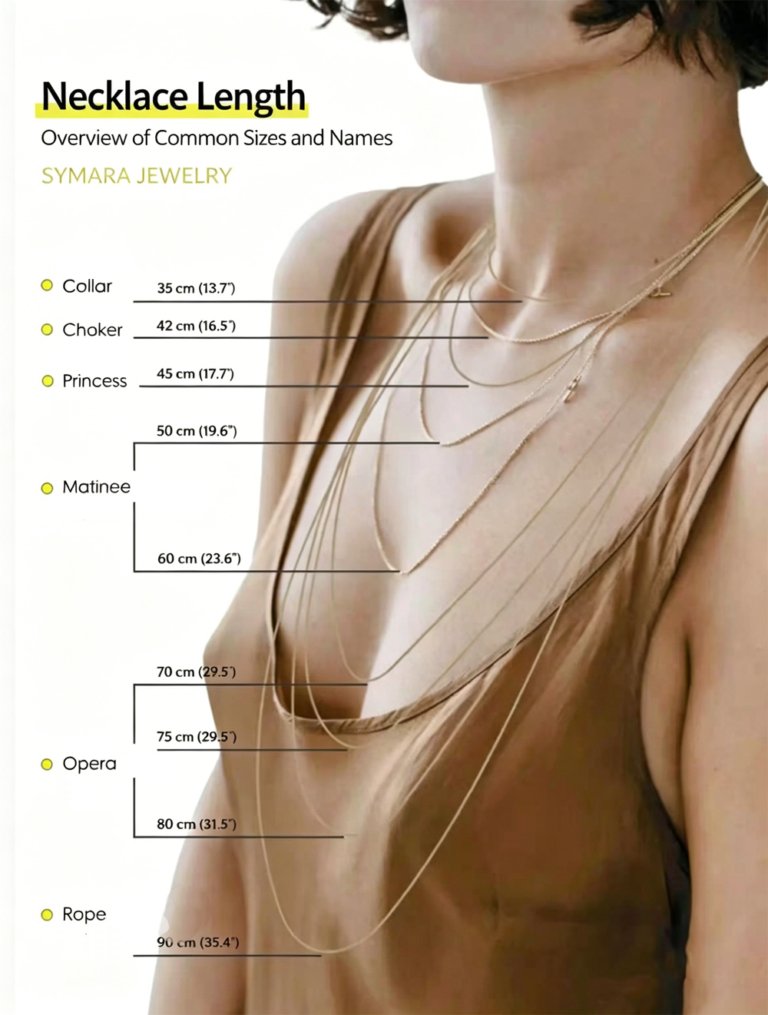
· Best For: Trend-driven styles, layered necklaces, earrings.
· Surgical Stainless Steel (316L)
· Key Traits: Steel-bright white, supremely tough.
· Durability: Extremely strong, corrosion-proof.
· Allergy Risk: None.
· Care: Wash with soap and water, hassle-free.
· Best For: Body jewelry, bold statement cuffs, modern men’s accessories.
Matching Metal to Your Life & Your Gemstone
Your jewelry should work for you, not the other way around.

· For the Active Professional (Nurse, Gardener, Chef): Your jewelry faces soap, chemicals, and constant contact. Platinum or surgical steel are champions here. They are inert and can be cleaned aggressively without harm.
· For the Hands-On & Athletic: Durability is key. 14K gold or nearly scratch-proof tungsten carbide are excellent. Opt for designs with smooth profiles.
· For Sensitive Skin: Stick with inherently hypoallergenic metals: platinum, palladium, titanium, or surgical steel. Always ensure any gold is nickel-free—a strict SYMARA standard.
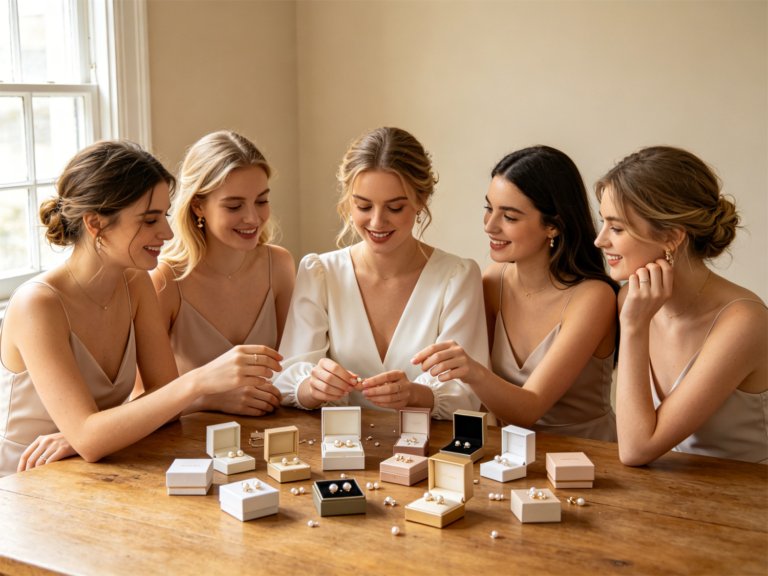
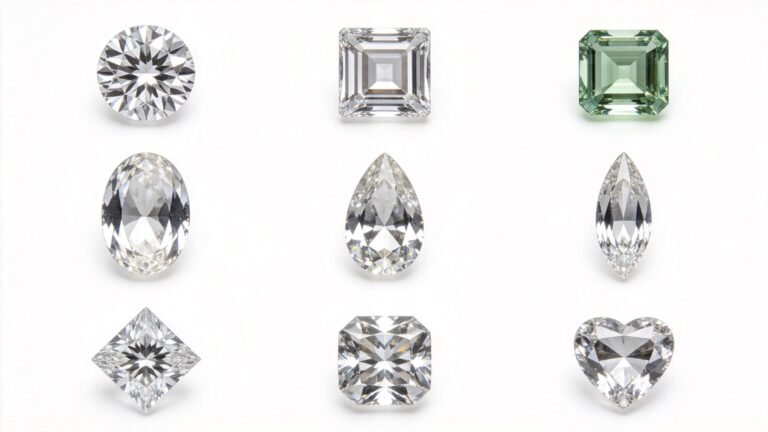
· Pairing with Gemstones: The metal is the setting for your stone’s personality. Platinum’s cool white frame maximizes the fire of a diamond. Warm 18K or 14K gold creates a stunning, classic contrast with emeralds or sapphires. Sterling silver offers a brilliant, contemporary backdrop for vibrant gemstones.
This guide has focused on helping you compare metals. To explore the complete picture—including a deep dive into gemstones like diamonds, moissanite, and sapphires, as well as more on plating, patina, and long-term care—read our complete guide to jewelry materials and gemstones.
Your Decision Checklist: The Questions We Ask
When you’re deciding, walk through these three questions we use in every consultation:
- What is this jewelry’s “job”? (Daily uniform or special-event star?)
- What’s your top priority? (Allergy-proofing, scratch-resistance, low maintenance, or budget?)
- How does it feel? Never underestimate this. Some adore the weight of platinum; others love the feather-light feel of titanium.
Choosing a jewelry metal is a personal equation of practicality and passion. There’s no single winner, only the perfect match for your story. We hope this honest, from-the-bench perspective brings you clarity and confidence.
Ready to see and feel the difference? Explore how these metals come to life in our curated collections.