Rhodium Plating: Complete Hypoallergenic Jewelry Guide
Rhodium Plating: Everything to Know About Fine Jewelry Finish & Hypoallergenic Wear
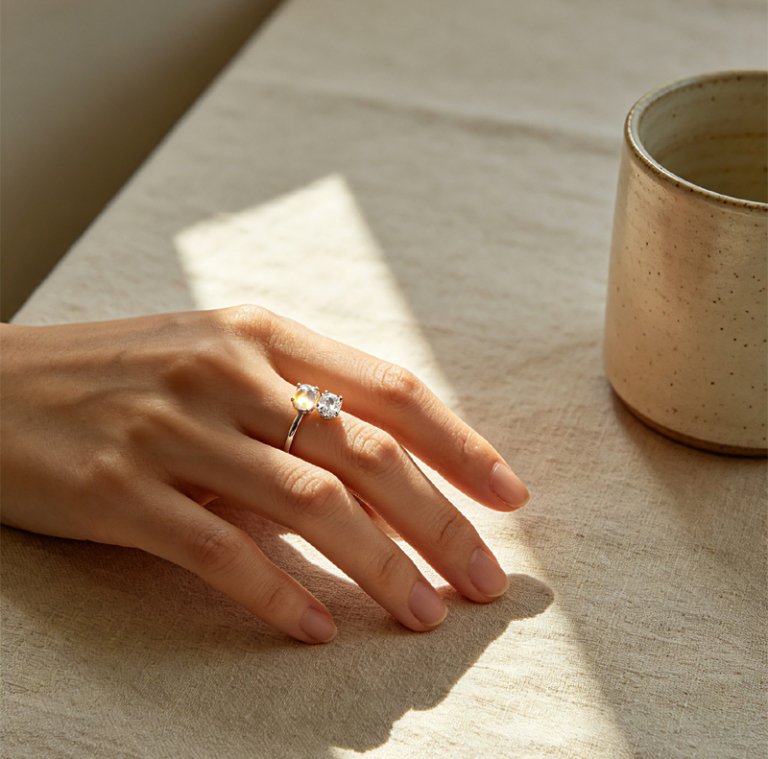
If you wear white gold or sterling silver pieces daily, you are almost certainly touching rhodium every single day — perhaps without even knowing it. At SYMARA, we think of rhodium plating as the silent finish behind a jewel’s first impression. It quietly shapes how a piece catches light, how it sits against skin, and how it holds up over time. Yet we rarely find that anyone has been walked through what it actually does. This guide gathers what we have learned in our workshop, from our bench jewelers, and from listening to the people who wear our pieces — all in plain, practical terms.
- Rhodium Plating Meaning?
- Why Rhodium Is Considered A Premium Precious Metal
- How Professional Rhodium Plating Is Completed
- Why Rhodium Plating Is Essential For Fine Jewelry
- How Rhodium Performs Across Different Jewelry Metals
- Real Lifespan Of Rhodium Plating In Daily Wear
- Individual Body Chemistry Impacts Wear Time
- Why Ring Inner Bands Fade First
- Is Rhodium Plating Safe & Hypoallergenic For Sensitive Skin?
- Common Rhodium Plating Myths Debunked
- Special Scenarios That Rapidly Damage Rhodium Plating
- Simple Habits To Extend Rhodium Plating Life
- Jeweler Policies & Routine Re-Plating Maintenance
- When To Schedule Professional Re-Rhodium Plating
- Rhodium Plating Faqs
What Is Rhodium Plating?
Rhodium plating is a focused electroplating step that lays an ultra-thin protective layer of pure rhodium over a jewel’s surface. Rhodium belongs to the platinum metal family, but it is far scarcer and more chemically reserved than gold or silver. In its solid form, it is so brittle that you cannot shape it into a ring or a clasp. It works only as a premium surface coating — one that sharpens brightness, adds wear resistance, and improves skin compatibility.
In our finishing room, the ideal thickness sits between 0.75 and 1.5 microns. You might assume a heavier layer would last longer, but we see the opposite. Overly thick rhodium tends to crack and flake under daily friction, so we aim for a controlled, even film that moves with the piece.
Why Rhodium Is Considered A Premium Precious Metal
Something that surprises many of our clients: rhodium regularly trades higher than gold. It cannot be mined on its own. It emerges strictly as a rare secondary byproduct when platinum and nickel ores are refined. No independent mining operations exist, and that fixed, limited supply creates sharp market shortages and sudden price swings. This scarcity is the real reason professional rhodium plating reads as a luxury finishing technique, rather than a commodity step. It is what separates considered fine jewelry from mass-market costume pieces.
How Professional Rhodium Plating Is Completed
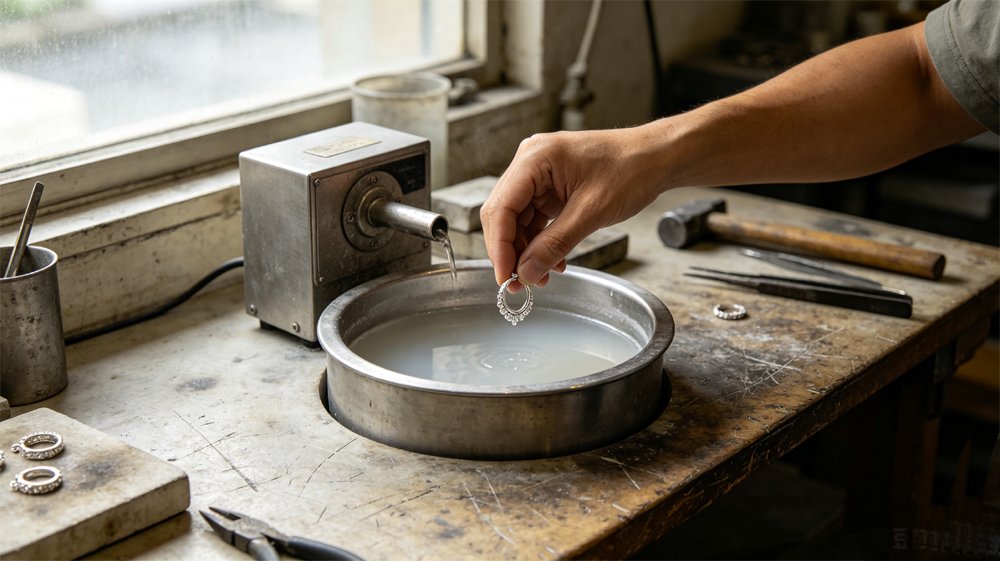
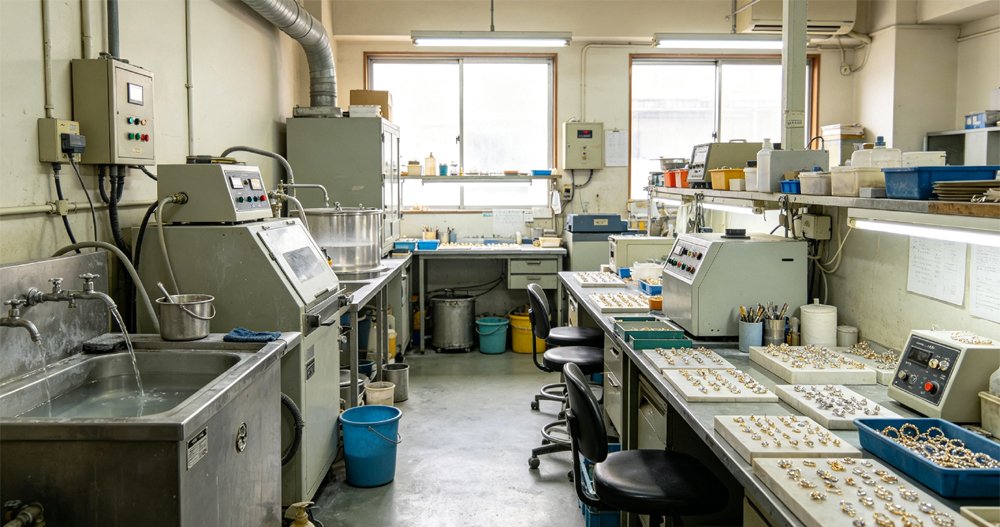
Before any rhodium touches the metal, we clean obsessively. Pieces pass through steam and electro-cleaning cycles to lift every trace of oil, dust, and handling residue. Honestly, most plating failures trace straight back to rushed prep. Once the surface is spotless, the jewel is submerged into a balanced rhodium sulfate solution for very short, timed intervals. A gentle electrical current draws rhodium molecules tight against the base metal. After precise dipping, items are rinsed with distilled water and dried completely. Depending on the piece’s detail, our team alternates between electrical plating and chemical dipping — each gives a slightly different nuance to the finish.
Why Rhodium Plating Is Essential For Fine Jewelry
Rhodium does three things that the base metal alone cannot.
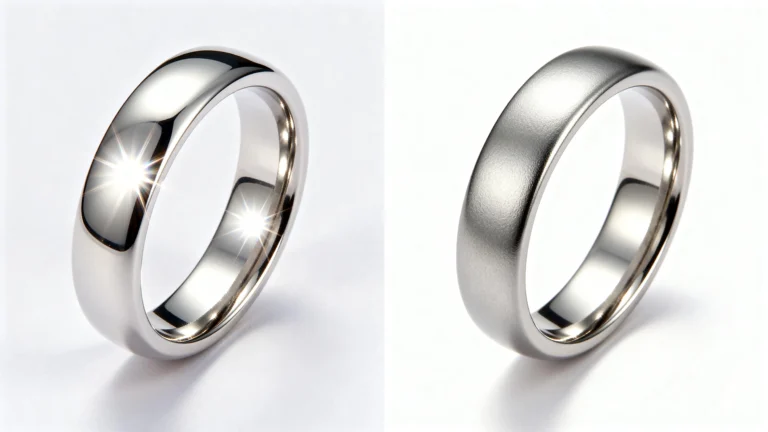
It creates the cool, white mirror shine you expect from luxury white gold. Natural white gold carries a subtle warm yellow undertone. Rhodium masks that warmth, delivering a crisp luminosity that feels clean and modern.
It never tarnishes. Rhodium is entirely non-reactive — humidity, sweat, and body oils leave it unchanged. On sterling silver, which darkens easily, rhodium acts as a reliable long-term anti-tarnish barrier.
It serves as a skin-safe shield. Most jewelry irritation comes from copper or trace nickel inside alloy bases. Pure rhodium is nickel-free. By blocking direct skin contact, it dramatically reduces itching and redness.
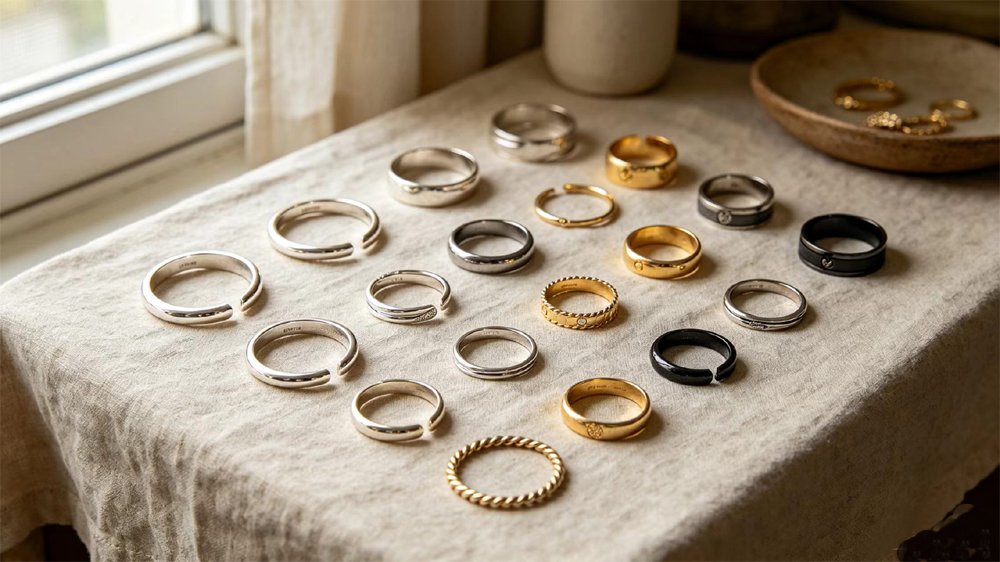
One more thing: black rhodium opens a different mood entirely. It deepens metal tones, makes diamond pavé appear more vivid, and suits vintage-inspired or sharper masculine designs — while keeping the same protective, allergy-safe character.
How Rhodium Performs Across Different Jewelry Metals
Not every metal calls for rhodium in the same way.
White Gold
Plating is non-negotiable. Without it, white gold looks dull and faintly yellow. Rhodium evens out color and adds a hardness that helps resist fine scratches.
Sterling Silver
Standard finishing. Rhodium prevents rapid oxidation and blackening, so silver stays wearable and bright through changing seasons.
Platinum
Platinum is naturally white and hypoallergenic on its own. We rarely plate it for daily wear. A rhodium coat is used only when someone wants an ultra-glossy mirror effect for a special moment.
Yellow & Rose Gold
We almost never recommend rhodium here. As the layer wears, stark color contrasts create patchy, uneven discoloration that simple cleaning cannot fix.
Black Rhodium
A contemporary finish with the same corrosion and allergy resistance. It delivers a dark, smoky tone that pulls the eye straight to the center stone.
Real Lifespan Of Rhodium Plating In Daily Wear
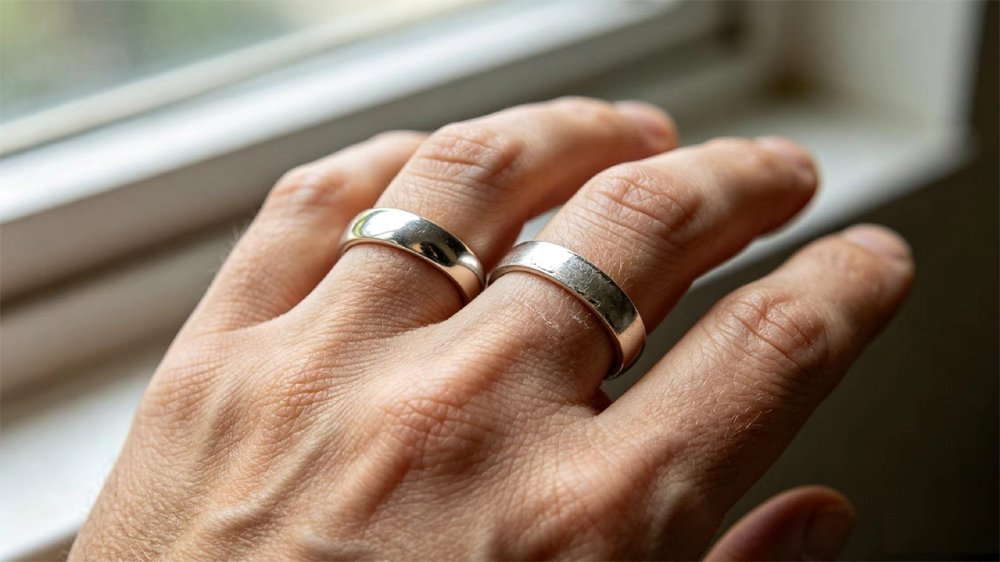
Timelines you read online rarely match lived experience. In our shop, we see plating durability shift with friction, sweat, and repeated exposure to hand products.
| Jewelry Type | Typical Lifespan |
|---|---|
| Daily worn wedding and stack rings | 3–10 months |
| Bracelets and earrings worn occasionally | 1–2 years |
| Necklaces with minimal direct skin contact | 2–5 years |
Frequent hand sanitizer use, constant hand washing, or heavy perspiration can easily cut those numbers in half. Chlorine, body lotion, and bath products degrade rhodium far faster than natural perspiration alone.
Individual Body Chemistry Impacts Wear Time
Some of our customers care for their jewelry meticulously and still see rhodium fade faster than expected. That usually comes down to personal skin pH and the specific makeup of their sweat. Fragrance, moisturizer, and cosmetics layered nearby can also speed up surface breakdown. This variation is normal — it says nothing about the quality of the craftsmanship. It is simply how your body and the environment interact.
Why Ring Inner Bands Fade First
You will almost always notice wear starting on the inside of a ring. That is not a defect. The inner surface faces constant rubbing, trapped perspiration, and repeated pressure. Rhodium thins from the inside outward, which is why a faint yellow edge might appear on white gold or a dull patch on silver. It follows the natural mechanics of daily wear.
Is Rhodium Plating Safe & Hypoallergenic For Sensitive Skin?
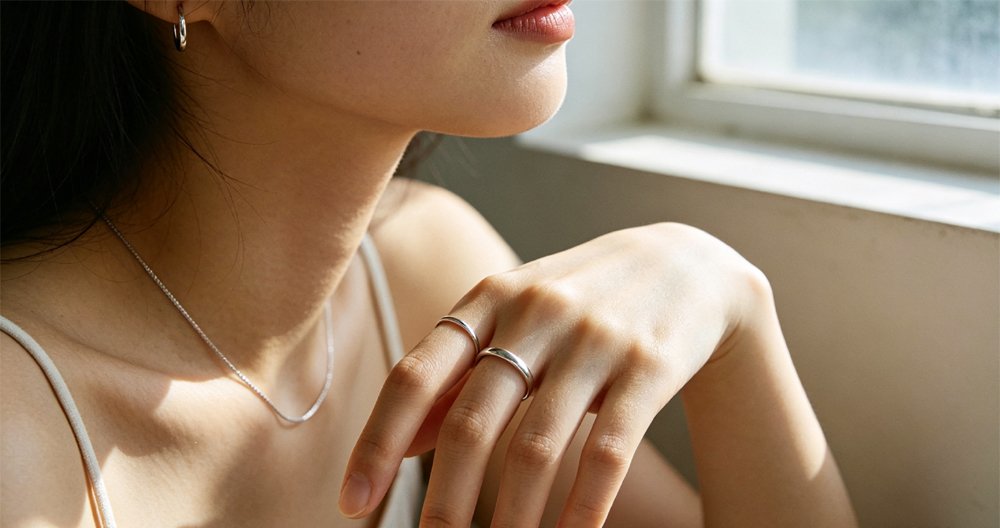
Pure rhodium contains zero nickel and zero lead. It is fully biocompatible and, by itself, will not trigger metal allergies. Nearly all adverse skin reactions we encounter come from two situations. Either the protective layer has worn thin, exposing the reactive nickel or copper underneath, or tiny hard-to-reach spots — ear posts, ring interiors, hinge areas — were not fully plated during production. When the rhodium layer is intact and applied thoroughly, it stays gentle even on extremely sensitive skin.
Common Rhodium Plating Myths Debunked
- Myth: White gold is naturally bright pure white. Fact: All natural white gold has warm yellow undertones. Rhodium creates its signature cool bright appearance.
- Myth: Dark discoloration means rhodium tarnishes. Fact: Rhodium never tarnishes. Dark spots appear when base metals oxidize after the protective layer has worn away.
- Myth: Thicker rhodium lasts much longer. Fact: Overly thick layers crack and peel easily. Thin, balanced, industry-standard plating offers the most consistent long wear.
- Myth: Yellow fading means defective jewelry. Fact: Natural color exposure from worn plating is normal everyday wear, not a flaw. Professional replating easily restores full brightness.
- Myth: Rhodium plating lowers fine jewelry value. Fact: Every luxury jewelry brand uses rhodium finishing. It is a premium standard process, not a sign of inexpensive jewelry.
Special Scenarios That Rapidly Damage Rhodium Plating
Saltwater and coastal air are surprisingly harsh. Ocean mist and direct saltwater contact leave microscopic mineral deposits that gradually erode the rhodium coat. Even a short beach walk can shorten plating life, so we suggest removing rhodium-plated pieces before swimming or seaside lounging.
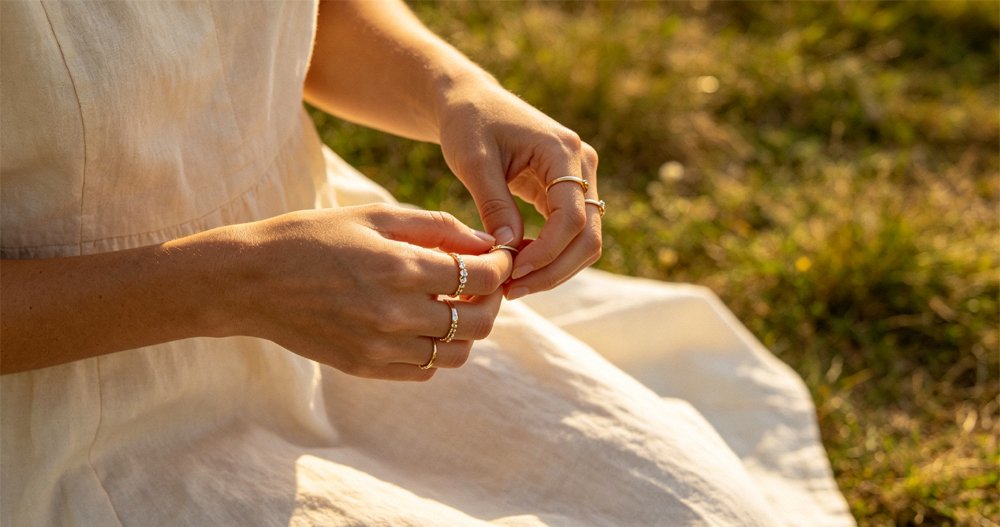
Intense workouts create another aggressive environment. Exercise sweat contains more salt, urea, and acidic compounds than resting perspiration. Those compounds attack the thin rhodium barrier quickly. To keep the finish bright, take jewelry off before gym sessions, running, or heavy exertion.
Simple Habits To Extend Rhodium Plating Life
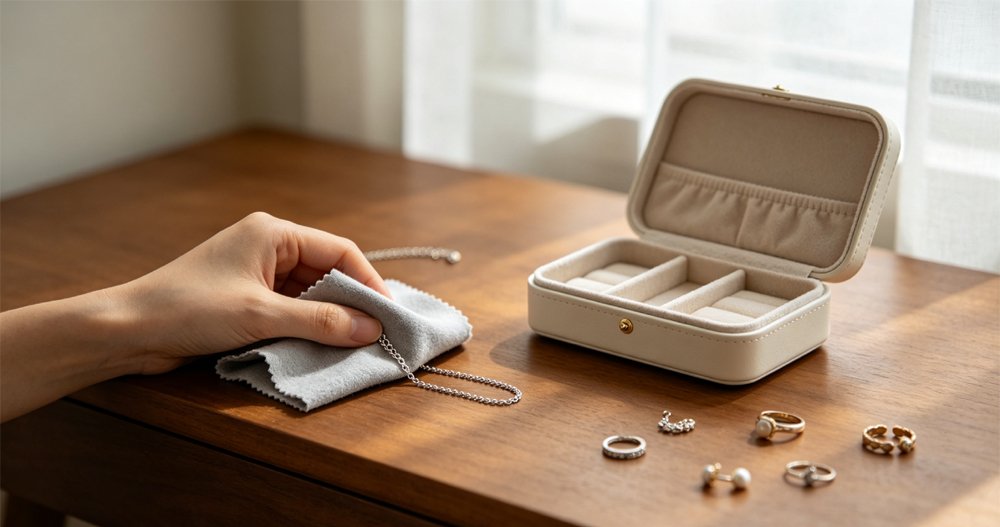
A few small moves make a real difference.
- Remove pieces before showering, swimming, exercising, or applying perfume and skincare.
- Keep jewelry away from hand sanitizer, bleach, and household cleaners.
- Wipe inner ring surfaces dry after sweaty activity or outdoor humidity.
- Use only soft microfiber cloths. Abrasive polishing cloths gradually thin the rhodium.
- Store each piece separately, so metal never rubs against metal.
Jeweler Policies & Routine Re-Plating Maintenance
At SYMARA, we see replating as routine upkeep, not a repair. Many fine jewelers include complimentary rhodium replating with purchase or cover it within long-term care programs. A scheduled touch-up keeps white gold and sterling silver looking precisely the way they did the day you first put them on.
When To Schedule Professional Re-Rhodium Plating
You do not need to wait until the rhodium is completely gone. A gentle yellowing, a dip in shine, or faint patchy areas are exactly the moment to bring a piece in. Polishing and a fresh rhodium coating return it to brand-new brightness. Wedding bands and everyday rings can be replated dozens of times over a lifetime. The base metal stays completely unharmed.
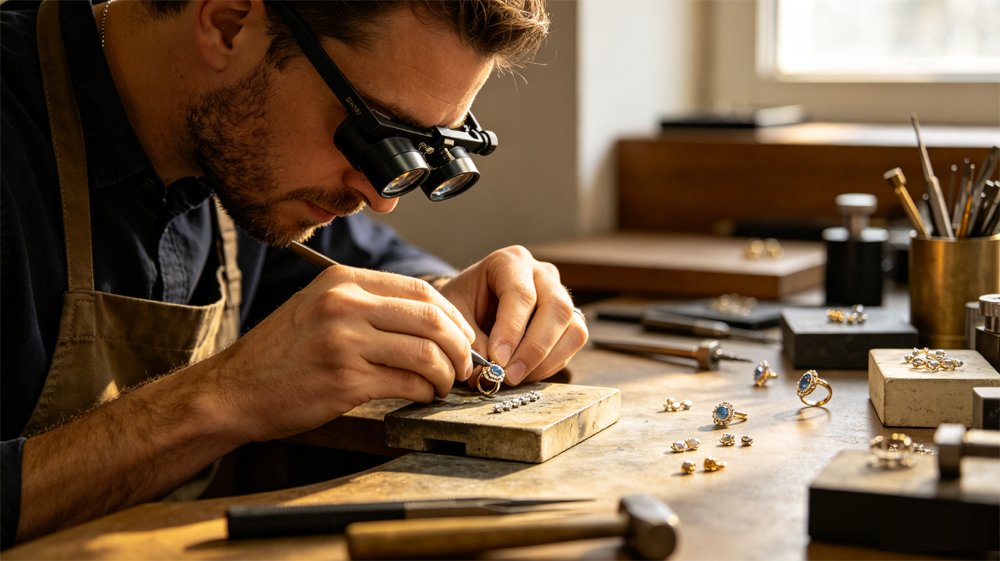
Frequently Asked Questions About Rhodium Plating
Is rhodium plated jewelry fully allergy-proof?
Pure rhodium is nickel-free and hypoallergenic on its own. Reactions only occur when the coating wears thin and exposes reactive copper or nickel within the alloy. A properly plated piece remains safe for almost every sensitive skin type.
Can I wear rhodium plated jewelry while showering?
We strongly discourage it. Hot water, soap, and shampoo chemicals gradually break down rhodium layers and shorten their usable life. Remove jewelry before bathing.
Does faded rhodium plating permanently ruin jewelry?
No. Rhodium wear is fully reversible. A professional replating service restores the original bright white finish at any time.
How much does professional rhodium replating cost?
Cost varies by piece size, detail, and local jeweler rates. Small rings and everyday pieces typically fall within an accessible range, making routine maintenance manageable for most wearers.
Will repeated rhodium replating damage gold or silver jewelry?
Not at all. Professional electroplating is gentle. Solid gold and silver base metals remain unchanged. Pieces can be safely replated over and over.
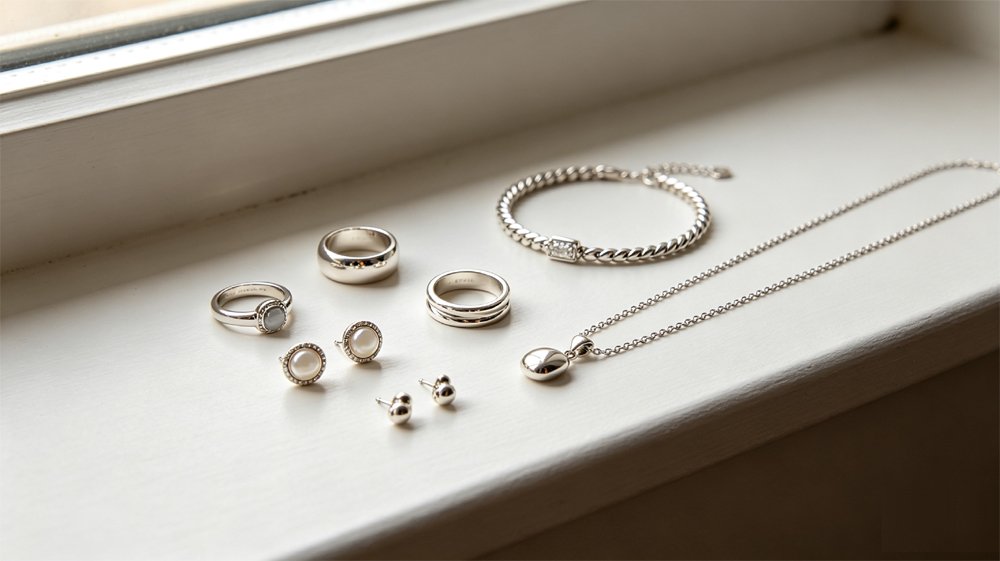
Final Thoughts
Rhodium plating acts as the quiet framework beneath wearable white gold and sterling silver fine jewelry. It sharpens reflective shine, holds tarnish at bay, keeps color consistent, and delivers a critical skin-safe barrier for anyone prone to irritation. Once you recognize natural wear patterns, environmental risks, and simple care rhythms, enjoying your jewelry becomes effortless. With a light daily routine and an occasional professional touch-up, rhodium-plated pieces stay bright, comfortable, and kind to your skin — season after season.