Platinum Patina: The True Story of Your Ring’s “Living Finish”
We see it at our bench all the time. A client places a well-loved platinum ring in our palm, tracing a finger over the surface. “It’s covered in tiny scratches,” they’ll say, a note of concern in their voice. “Has it been damaged?”
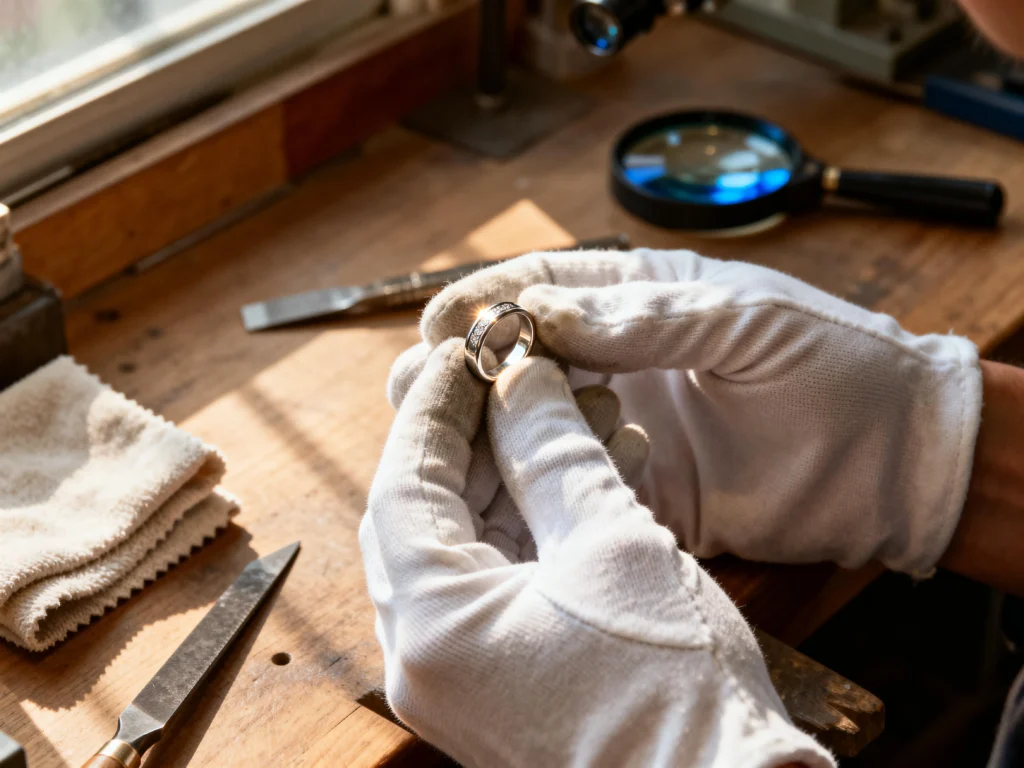
Our answer is always the same, and it comes with a smile. “No, not at all. In fact, it’s doing exactly what it’s supposed to do.” What you’re seeing isn’t a flaw–it’s platinum patina. And learning its story is the first step to loving your platinum jewelry for generations.
Let’s have the honest talk we’d have in our studio. We’ll explain what patina is, why it happens only to platinum this way, and why so many of our long-time clients wouldn’t part with it.
What is Platinum Patina, Really?
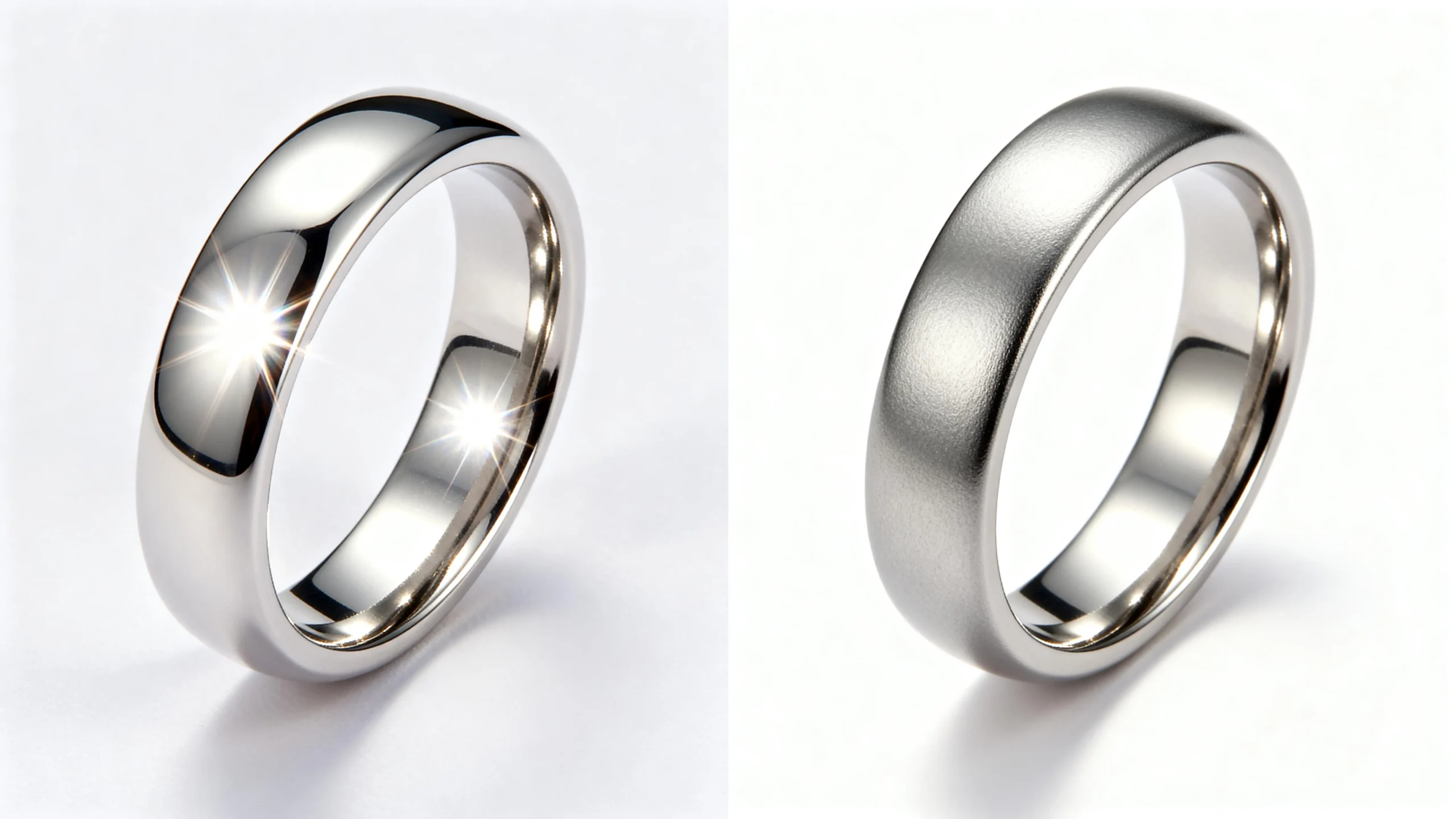
Simply put, platinum patina is a soft, satin-like layer of microscopic scratches that build up over years of wear. It’s the honest record of your life with the piece.
Here’s the key point we always emphasize: these aren’t deep gouges. Because platinum is so incredibly dense, daily wear simply displaces the metal at the surface; it doesn’t scrape it away. Think of it like the glow on a cherished wooden table—the character deepens, but the substance remains.
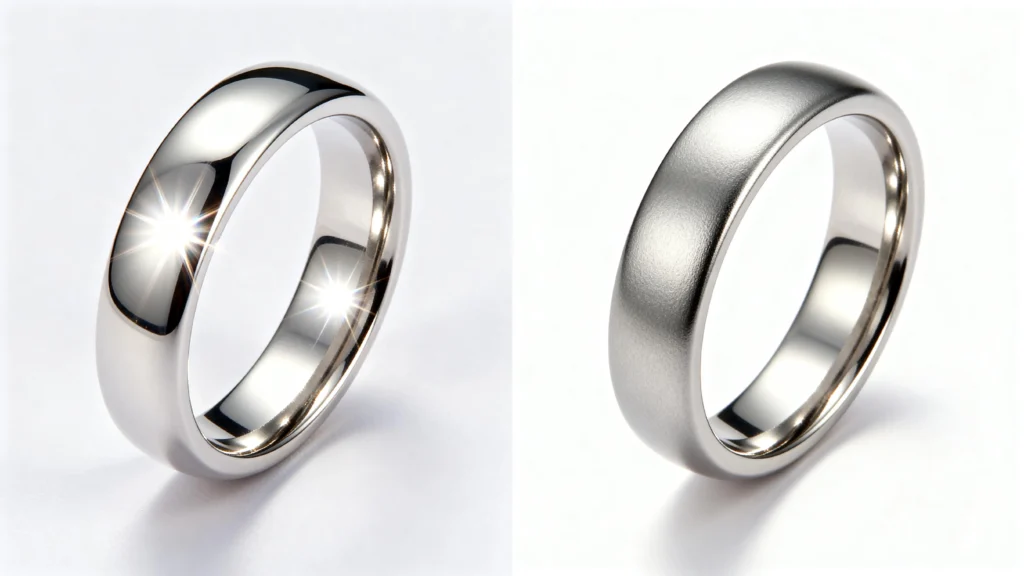
This is where platinum stands apart. Other white metals, like rhodium-plated white gold, wear to reveal a different color underneath. But platinum is naturally white and solid through and through. Its wear is even, gentle, and adds a luminous depth you can’t replicate.
Why Platinum Alone Ages This Way
It all comes down to weight and purity. That substantial feel on your finger—that’s platinum’s density. It’s why we trust it to hold the most precious stones securely for decades.
This same density dictates how it wears. When your ring meets a doorknob, a keyboard, or a gardening trowel, the metal moves rather than chips. It develops this uniform, frosted glow. We see the comparison daily: a worn white gold band might show a warm, uneven line where the plating has thinned. A worn platinum band just looks softer, wiser.
To Polish or to Preserve? Your Story, Your Choice.
This is the heart of the conversation in our consultation room. There is no wrong answer, only what’s right for you.
Option 1: Cherish the Narrative.
Many of our clients come to see their platinum patina as a personal diary. That soft sheen holds first days, hard work, travels, and quiet moments. It loses the bright, sometimes stark, shine of the showroom and gains a warmth that belongs only to you. We deeply respect this choice. It means the piece has lived.
Option 2: Restore the Brilliance.
Do you prefer the original, mirror-like sparkle? That’s always available. A professional polish on our wheels will bring back that dazzling, liquid shine in no time. The process is straightforward with platinum because of its durability—we’re gently re-smoothing the surface. You can do this every few years, forever, with negligible metal loss.
The Patina in Our Workshop: Two Stories
Let me share two recent experiences that show why this isn’t just theory for us.
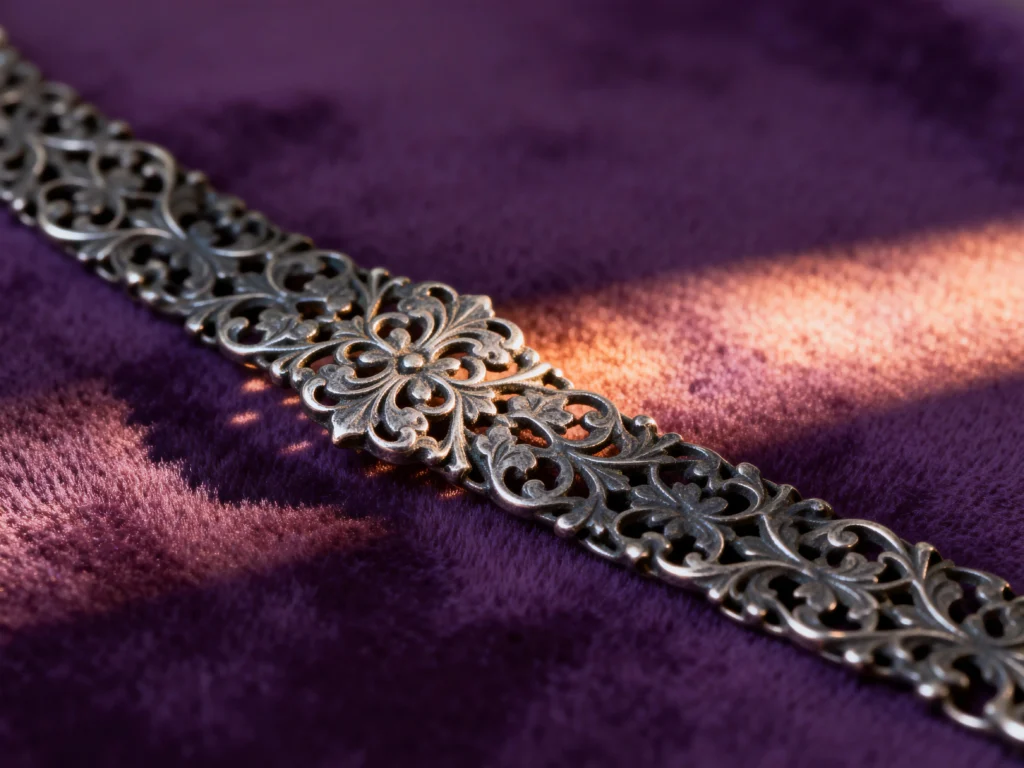
- The Heirloom: A woman brought in her grandmother’s platinum Art Deco bracelet. It had a deep, even patina that made the filigree work look almost soft. Her instruction was clear: “Clean it gently, but please do not polish it. I want to see the light exactly as she did.” We honored that. The patina wasn’t wear; it was a legacy.
- The Renewal: Another client brought in her 10-year anniversary band. “I love it more than ever,” she said, “but I want it to shine like my wedding day did.” We polished it, and when she put it back on, she beamed. It wasn’t erasing history; it was celebrating a new chapter.
Both choices are about love. One loves the journey inscribed on the metal. The other loves the moment, renewed.
Setting the Record Straight: Patina Myths Debunked
Let’s clear up the worries we hear most often.
- Myth: “Patina means my ring is soft or poor quality.”
Truth: The opposite. This is a signature of a supremely dense, pure, and long-wearing metal. A cheap metal would dent or distort. Platinum develops character. - Myth: “A scratched ring loses its value.”
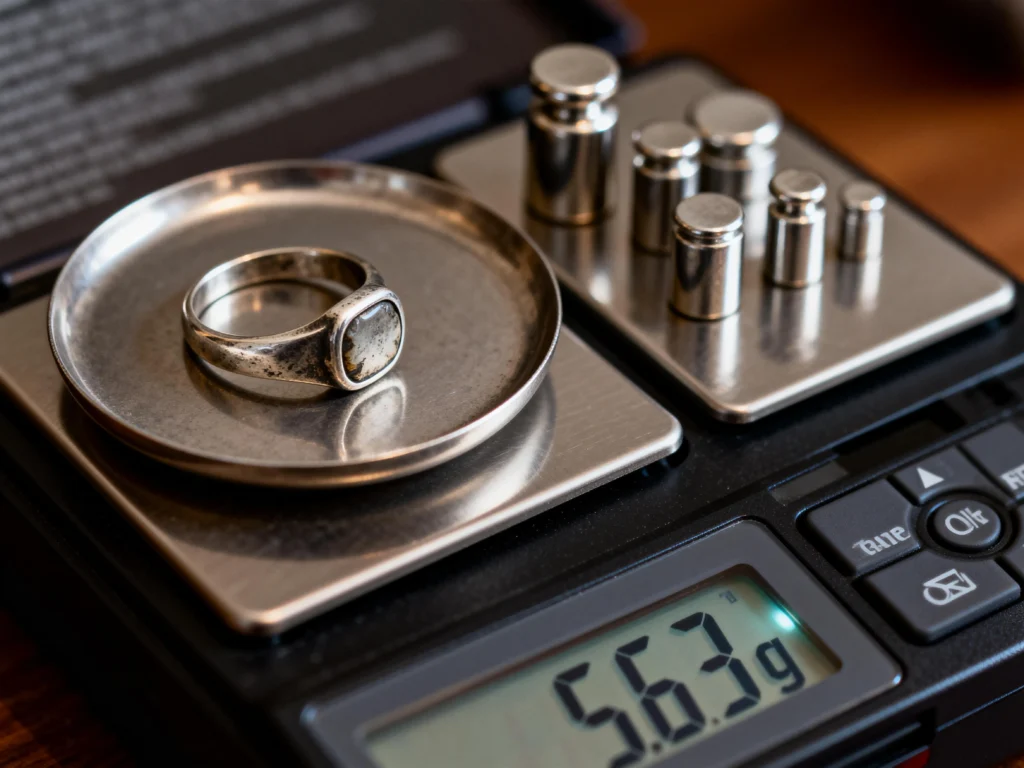
Truth: The value of your platinum is in its weight and purity—things that don’t change. When we do an appraisal, we weigh it. The surface finish is a style choice, not a value deduction. - Myth: “I must be too hard on my jewelry.”
Truth: Patina develops from normal, daily life. If you’re wearing it, it’s happening. You’re not being rough; you’re letting the metal share your life.
The SYMARA Perspective
For us, platinum patina is not a problem to solve. It’s a feature to understand—the honest evidence of a material chosen for a lifetime. It tells you your ring isn’t sitting in a box; it’s out in the world, being part of your story.
Whether you choose to let that story show on the surface or refresh its canvas for the next chapter, we’re here to care for it. That’s the promise of a true heirloom.
Ready to see the difference for yourself? Explore the timeless strength and beauty of our platinum collection, or speak with our artisans about caring for your cherished piece.