
Oval Diamond Ring Band Material Guide – Find the Ultimate Metal for Your Dream Ring

Oval Diamond Ring Band Material Guide: Types, Pros & Cons
An eye-catching oval diamond deserves a well-matched ring band. After all, different metals change the overall style, durability, comfort and maintenance needs. As a result, many buyers struggle to choose between white gold, yellow gold, rose gold, platinum and silver.
This guide covers mainstream band materials for oval diamond rings. Specifically, we analyze features, wearing experience and matching styles to help you make a wise choice.
Platinum – The Precious Metal That Lasts a Lifetime
When it comes to high-end diamond jewelry, platinum is the most premium metal available. To begin with, it features a natural silvery-white tone and outstanding chemical stability. For this reason, platinum never fades, tarnishes or reacts with skin in daily wear.
In addition, it has high density and solid weight, bringing a luxurious feel on fingers. Meanwhile, the soft metal property makes platinum ideal for secure stone setting. Consequently, it holds oval diamond tips firmly and reduces the risk of loosening.
Platinum Pros
• Hypoallergenic, suitable for sensitive skin
• Permanent white color, no re-plating needed
• Excellent durability and strong stone holding power
• High collectible value
Platinum Cons
• Highest price among common jewelry metals
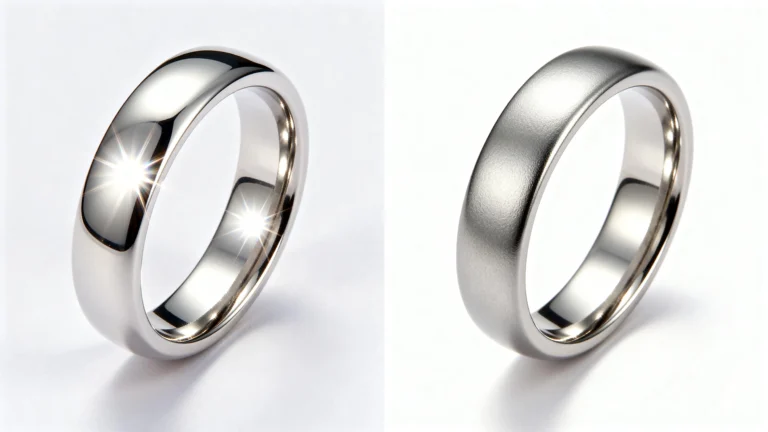
• May develop a natural matte patina over long wear
• Requires professional polishing to restore mirror finish
Unique Patina Feature
Interestingly, platinum forms a subtle natural matte patina after years of wear. Notably, this is not damage or oxidation, but a unique vintage texture exclusive to platinum. For this reason, many jewelry lovers intentionally retain this layer for a timeless heirloom feel. On the other hand, regular professional polishing can restore its mirror-bright finish anytime.
Best for
Engagement rings, heirloom jewelry, people with metal allergies, long-term daily wear.
White Gold – The Modern Classic That Never Goes Out of Style
Currently, white gold is the most popular choice for modern diamond rings. To create its cool white appearance, it mixes pure gold with other alloys. In addition, a thin layer of rhodium plating is applied on the surface to enhance luster.
As a result, white gold presents a clean, minimalist look that highlights diamond sparkle. Moreover, it balances beauty and cost, which is why it is favored by most young buyers.
White Gold Pros
• Bright white tone perfectly matches clear oval diamonds
• Affordable compared with platinum
• Hard texture, resistant to deformation
• Diverse designs for thin and wide bands
White Gold Cons
• Rhodium plating wears off gradually over time
• Needs re-plating every 12 to 18 months
• May cause discomfort to extremely sensitive skin
Best for
Engagement rings, wedding bands, daily fashion jewelry, minimalist styles.
Yellow Gold – The Timeless Treasure That Warms Every Heart
For centuries, yellow gold has been a classic traditional jewelry metal with a warm golden hue. In fact, it has been used for diamond rings for hundreds of years.
Because of its warm tone, it creates a soft contrast with bright oval diamonds. Consequently, it delivers a retro, elegant and romantic vibe. Furthermore, yellow gold is easy to resize and repair for lifelong use.
Yellow Gold Pros
• Timeless classic style, never goes out of fashion
• Stable color, no fading or extra maintenance
• Soft texture, comfortable to wear and easy to adjust size
• Friendly to most skin types
Yellow Gold Cons
• Pure gold is too soft, alloyed yellow gold still gets scratches easily
• Warm tone may slightly weaken diamond’s icy white effect
Best for
Vintage style rings, wedding bands, retro bridal sets, people who love classic aesthetics.
Rose Gold – The Romantic Choice That Feels Like a Hug
Unlike other metals, rose gold blends gold with copper to form a unique pinkish-gold color. Over the past decade, it has become a trendy option for modern and romantic jewelry.
Because of its gentle pink tone, it complements all skin tones naturally. When paired with oval diamonds, it creates a soft, feminine and sweet look. In addition, rose gold is harder than yellow gold, which gives it good deformation resistance.
Rose Gold Pros
• Unique romantic color, highly fashionable
• Harder than yellow gold, good deformation resistance
• Low maintenance, stable color without plating
• Beautiful matching effect for stacked rings
Rose Gold Cons
• Color is relatively niche, not suitable for extremely formal scenes
• Copper content may trigger allergies for a small group of people
Best for
Fashion rings, promise rings, ladies daily wear, stacked ring combinations.
925 Sterling Silver – The Friendly Choice for Every Budget
For those on a budget, 925 silver is a friendly entry-level metal for jewelry. It has a bright silvery appearance similar to platinum. However, it is much more affordable.
Sterling silver works well for casual-style oval diamond rings. Moreover, it is lightweight and comfortable for short-term or occasional wear. Interestingly, silver naturally develops a soft patina over time, which many find charming. On the bright side, regular wear and gentle cleaning help maintain its luster.
925 Sterling Silver Pros
• Low price, cost-effective
• Light weight, no heavy feeling on fingers
• Diverse and delicate design styles
• Easy to clean and maintain with proper care
925 Sterling Silver Cons
• Oxidizes and darkens when exposed to air and sweat
• Low hardness, prone to scratches and bending
• Not recommended for lifelong daily wear
Best for
Occasional wear, fashion accessories, gift jewelry with limited budget.
14K vs 18K Gold – What’s Worth Your Heart
When comparing 14K and 18K gold, international jewelers clearly distinguish their performance for daily wear. To start, 14K gold contains 58.5% pure gold, with higher alloy density and stronger hardness. As a result, it resists scratches and deformation better, making it ideal for everyday worn oval rings.
On the other hand, 18K gold contains 75% pure gold, delivering softer texture and more delicate luster. However, it shows higher-grade color saturation but scratches more easily with daily friction. For sensitive skin, 14K white gold has lower nickel content and fewer allergy risks.
Quick Decision Guide
• Daily heavy wear & durability priority: 14K Gold
• High-end texture & collection priority: 18K Gold
Metal Hardness & Daily Wear Resistance
Not all metals are created equal when it comes to scratch resistance and durability. In fact, different band metals vary greatly in these aspects. Understanding hardness helps avoid frequent deformation and surface wear.
Hardness Comparison
• Platinum: Medium hardness, develops patina with wear, most stable structure
• White Gold: High hardness, strong anti-deformation ability, best for daily heavy wear
• Yellow Gold: Softest alloy metal, easiest to scratch
• Rose Gold: Harder than yellow gold, good structural stability
• 925 Silver: Low hardness, prone to bending and oxidation
For customers who wear rings every day, white gold and platinum offer the best durability.
Resizing & Repair Difficulty
In addition to hardness, resizing flexibility is an important long-term consideration for lifelong rings. After all, finger sizes can change over time.
Resizing Ease Comparison
• Yellow Gold: Easiest to resize, highly malleable and repair-friendly
• Rose Gold: Moderate resizing difficulty, stable after adjustment
• White Gold: Requires re-plating after resizing
• Platinum: Hardest to resize, high labor cost for modification
• Silver: Easy to adjust but easy to deform after repeated resizing
Modern Mixed Metal Styling Trend – Love the Mix, Love the Look
Currently, mixed metal setting is a mainstream Western jewelry trend for oval diamond rings. By combining two metal tones, it enhances layered visuals and flatters finger lines.
Popular Combinations
• White gold main band + rose gold prongs (soft and romantic)
• Yellow gold main band + platinum diamond setting (retro and luxurious)
As a result, mixed metal designs break single-color monotony and maximize oval diamond’s elegant stretching effect.
Band Width & Finger Matching Rules
Band width directly affects wearing comfort and diamond visual proportion. To help you choose, international jewelry stylers summarize fixed matching standards:
Width Guidelines
• 1.5–2mm thin band: Fits small hands and short fingers, maximizes diamond size visual effect
• 2.5–3mm standard band: Most versatile, balanced for all finger shapes and daily scenarios
• 3.5mm+ wide band: Matches large hands and thick fingers, stable support for 1.5ct+ oval diamonds

How to Choose Band Metal by Usage & Scene – Find the One That Speaks to You
For Engagement & Wedding Rings
Prioritize Platinum or White Gold. They are classic, formal and durable for lifelong wear. In particular, platinum is the top pick for sensitive skin and high-end collections.
For Vintage & Retro Style
Choose Yellow Gold. Its classic golden tone fully presents retro charm. Moreover, it matches antique-cut oval diamonds perfectly.
For Daily Fashion & Stacking
Go for Rose Gold or White Gold. Rose gold is trendy for mixed-metal stacking. Meanwhile, white gold is versatile to match any other bands.
For Sensitive Skin
Select Platinum first. It is hypoallergenic with zero irritation. However, avoid high-copper rose gold and unpolished sterling silver.
For Budget-Friendly Options
925 Sterling Silver is ideal for occasional wear. If you want long-term use, white gold is a better mid-range choice.
Metal & Oval Diamond Matching Tips
The metal tone changes the visual effect of an oval diamond.
Color Effects
• White metal (Platinum / White Gold): Maximize diamond fire and icy white luster
• Yellow Gold: Create warm retro atmosphere, hide slight yellow tint of low-color diamonds
• Rose Gold: Soften the overall look, highlight feminine temperament
Besides color, match band width with diamond size. For example, large carat oval diamonds fit wide bands for stable support. In contrast, small stones pair well with thin delicate bands for a slender look.
Final Buying Priority Tips – Your Love Story, Your Choice
Quick Reference
• Lifelong wedding ring: Platinum > White Gold
• Daily versatile fashion ring: White Gold > Rose Gold
• Vintage retro collection: Yellow Gold
• Temporary wear & low budget: 925 Silver

Final Suggestions – Start Your Journey with Confidence
To begin with, define your budget, wearing frequency and personal style first. For lifelong valuable rings, invest in platinum or high-quality white gold. On the other hand, for trendy daily accessories, rose gold and sterling silver are wonderful choices.
Finally, browse our collection of oval cut engagement rings, bridal ring sets and stackable rings to find your ideal metal and design.